
Writing
Where learning is fuelled by creativity
Writing Strategy: Intent, Implementation and Impact
Intent
Children make a strong start to writing in Reception through the systematic teaching of phonics alongside Drawing Club. These approaches develop early transcription, communication, vocabulary and storytelling skills, ensuring children are well prepared for the school’s writing curriculum and develop confidence as early writers. At Threemilestone Primary School, we use Little Wandle.
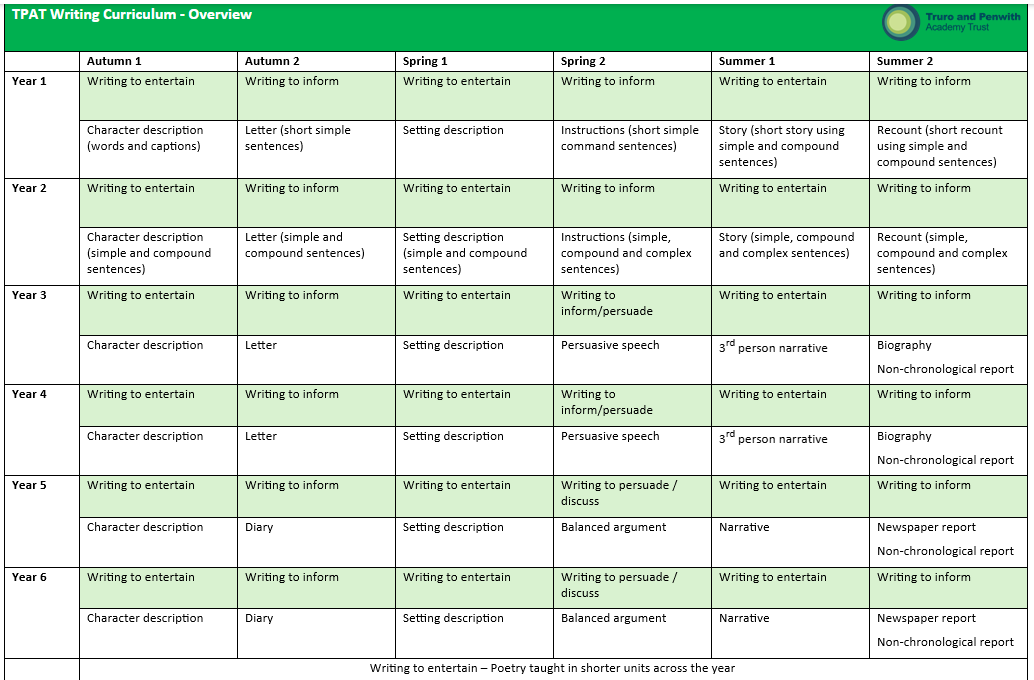
Following the completion of the school’s systematic phonics programme, pupils move into a carefully sequenced writing curriculum designed to develop confident, fluent and purposeful writers who can communicate effectively for a range of audiences and purposes.
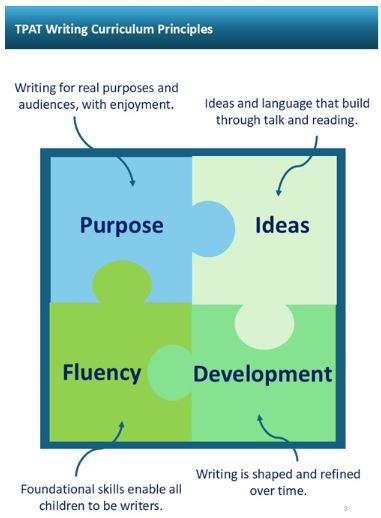
Our writing curriculum is designed to develop confident, fluent and purposeful writers who can communicate effectively for a range of audiences and purposes. Rooted in the TPAT Writing Curriculum principles of Purpose, Ideas, Development and Fluency, the curriculum ensures that all pupils acquire the knowledge, skills and vocabulary needed to become successful writers. Pupils are taught to write for real purposes and audiences, develop ideas through rich talk and reading, understand writing as a process and build fluency through secure transcription skills. High expectations are maintained for all pupils, including those with SEND, through adaptive teaching, structured talk and carefully planned support.
The curriculum is underpinned by the belief that writing is both a cognitive and creative process. Through carefully sequenced opportunities to talk, read, rehearse, write, revise and edit, pupils develop increasing independence and confidence as writers.
Implementation
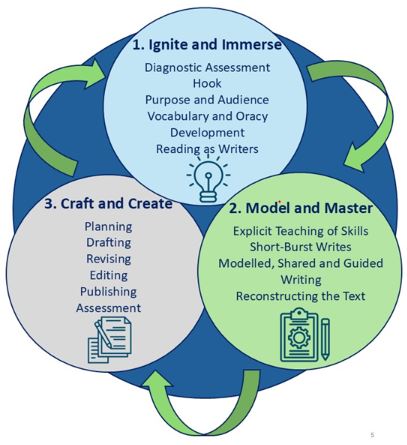
Writing is delivered through a consistent three-phase structure:
Ignite and Immerse
Model and Master
Craft and Create
Oracy is a central feature throughout the curriculum. Pupils are explicitly taught speaking and listening skills and are provided with regular opportunities to rehearse vocabulary, sentence structures and ideas before writing. This strengthens both thinking and composition.
In Reception, early writing is underpinned by the school’s chosen SSP alongside Drawing Club. Writing opportunities are closely aligned to pupils’ secure phoneme-grapheme correspondence knowledge so that children are expected to write only with the sounds and spelling patterns they have been explicitly taught. This carefully sequenced approach enables children to apply and consolidate their phonics learning in meaningful contexts while developing confidence as writers. Through Drawing Club, high-quality texts, storytelling, talk and vocabulary exploration provide rich experiences that support idea generation, oral rehearsal and early composition. As pupils progress into Year 1, this strong foundation is built upon through continued phonics teaching and structured writing opportunities that bridge the transition from sentence-level work to extended writing.
To support transcription, discrete handwriting and spelling sessions are taught in addition to writing lessons:
Retrieval practice is systematically planned across handwriting, spelling and writing. Previously taught letter formations, joins, spelling patterns, common exception words and grammatical concepts are revisited through daily practice, dictation, retrieval activities and cumulative review. In Key Stage 1, daily dictation supports the retrieval and application of phonics, spelling, handwriting and sentence construction. In Key Stage 2, daily Key Skills sessions provide regular opportunities to retrieve and apply previously taught grammar, punctuation and spelling knowledge alongside new learning. This deliberate approach strengthens long-term retention, secures automaticity and supports pupils in transferring knowledge successfully into independent writing.
Impact
As a result of this approach, pupils develop into confident, articulate and enthusiastic writers who can write effectively for a range of purposes and audiences. They demonstrate increasing fluency in transcription, allowing them to devote greater attention to composition, vocabulary choices and authorial intent.
Pupils:
Over time, pupils make strong progress from their individual starting points, leaving each year group with increasing knowledge, fluency and independence as writers.


 Stay Safe

 Statutory
Reporting